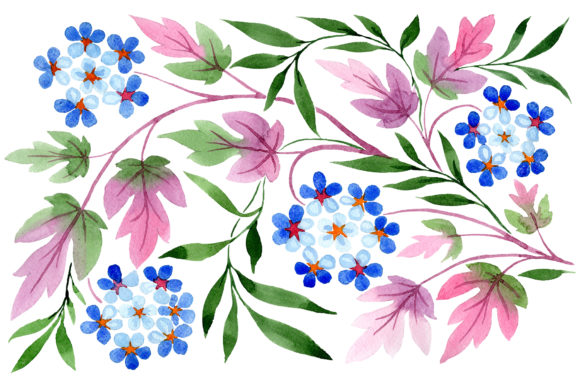
Classic Watercolor Ornament: A Versatile Design Resource for Creative Projects
When you are assembling a design project—whether it is a wedding invitation, a greeting card, a social media graphic, or a poster—the quality and style of your visual elements can make or break the final result. Among the many resources available to designers and DIY enthusiasts, the Classic Watercolor Ornament stands out as a hand-painted, highly detailed collection that offers both elegance and flexibility. Understanding what this type of resource provides, how it compares with other design formats, and where it fits best can help you choose the right tool for your specific needs.
What Makes Classic Watercolor Ornament Distinct
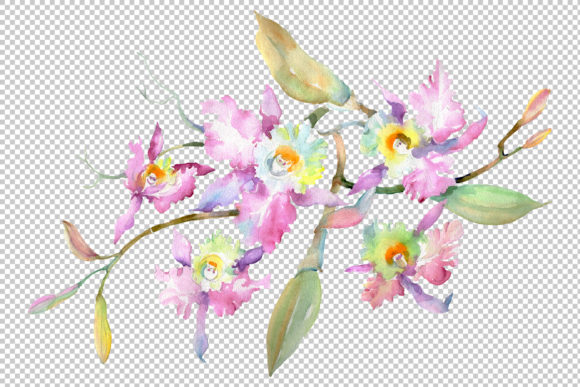
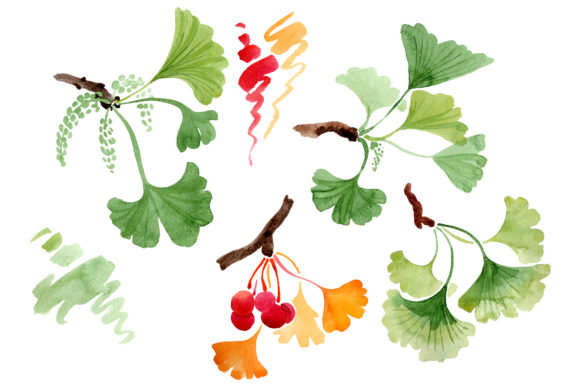
The Classic Watercolor Ornament is not a single image but a curated pack that includes a PNG file of frames, borders, patterns, and isolated illustrations. Each element is painted by hand, giving it a natural, organic feel that digital vector graphics often lack. The collection is designed to be ready to print or use immediately, with full editability in terms of size, colors, and placement. The graphics are delivered at 300 dpi without a background, which means they can be layered seamlessly onto any surface, from paper to digital canvases. Patterns and frames come as JPG files at 3500x3500 pixels, providing high resolution for large-format projects.
What sets this resource apart is the combination of traditional watercolor aesthetics with modern usability. The watercolor medium introduces subtle gradients, irregular edges, and soft transitions that mimic real brushwork. This is distinct from flat vector illustrations or digital brushes that often appear too uniform. For projects that require a touch of handmade authenticity, the Classic Watercolor Ornament delivers a look that is both refined and approachable.
Comparing Classic Watercolor Ornament with Other Design Resources
When evaluating design resources, it helps to consider the range of options available. Here is how the Classic Watercolor Ornament compares with other common types of graphic assets:
Hand-Painted Watercolor vs. Digital Vectors
Digital vectors (such as SVG or AI files) are infinitely scalable and easy to edit in terms of shape and color. They are excellent for logos, icons, and geometric patterns. However, they often lack the textural depth and organic variation of hand-painted watercolor. The Classic Watercolor Ornament offers a feel that vectors cannot replicate: the slight bloom of pigment, the uneven saturation, and the soft edges that make each element unique. For projects like wedding invitations or personalized quotes, this tactile quality adds warmth and personality. On the other hand, if you need precise, repeatable geometry for a corporate brand, vectors may be a better fit.
Watercolor PNGs vs. Stock Photography
Stock photos of watercolor elements exist, but they are often photographed under specific lighting and may include shadows or backgrounds that require masking. The Classic Watercolor Ornament PNG files come without any background, which saves time and eliminates the need for complex extraction. You can drop them directly into your design software and start layering. Additionally, because the elements are isolated, you have full control over composition. Stock photos can be useful for realistic scenes, but for decorative ornamentation, transparent PNGs from a dedicated watercolor pack are more practical and versatile.
JPG Patterns and Frames vs. Seamless Pattern Files
Many design resources offer seamless patterns that tile infinitely. The JPG patterns in this pack are high-resolution (3500x3500px) and work beautifully for print projects, backgrounds, or digital textures. However, they are not necessarily seamless tiles—they are designed as standalone background elements or frames. If you need a repeating pattern for fabric or wallpaper, a seamless vector or patterned tile may be more appropriate. But for a one-of-a-kind background or a framed border, the Classic Watercolor Ornament patterns are more than sufficient and offer the benefit of hand-painted variation.
Strengths and Tradeoffs of the Classic Watercolor Ornament Approach
Every design resource has its strengths and limitations. Knowing these can help you decide when and how to use the Classic Watercolor Ornament effectively.
Strengths
- Hand-painted authenticity: Each element has the natural irregularities of real watercolor, which adds character and a sense of craftsmanship to your projects.
- High resolution: At 300 dpi and 3500x3500px for frames and patterns, the files are suitable for both digital use and professional printing.
- No background: PNG transparency allows for easy layering over any color, texture, or image without the need for masking.
- Editability: You can adjust size, color, and placement freely. Some software also allows you to apply blend modes or filters to further customize the look.
- Versatility: The elements can serve as frames, borders, patterns, backgrounds, or standalone accents. This multi-purpose nature reduces the need to purchase separate resources for different uses.
Tradeoffs and Limitations
- Resolution fixed: While 3500x3500px is ample for most uses, scaling up beyond that may cause pixelation. If you need billboard-sized graphics, vector alternatives might be necessary.
- Color editing requires care: Because the elements are raster images, changing colors is not as straightforward as with vectors. You can use software tools like hue/saturation adjustments or overlay colors, but precise color matching may take extra steps.
- Not seamless: The patterns are designed as standalone backgrounds, not infinitely repeatable tiles. If you need a seamless tile for large surfaces, you may need to look elsewhere or manually create the repeat.
- Single file format: The pack contains one PNG file for illustrations and JPG files for patterns and frames. If you prefer editable vector formats like AI or EPS, you will need to adapt the approach.
Best-Fit Situations for Classic Watercolor Ornament
The Classic Watercolor Ornament shines in projects where a handmade, elegant aesthetic is desired. Here are some scenarios where this resource is an excellent match:
- Wedding invitations and save-the-dates: The watercolor frames and borders can frame text beautifully, while isolated floral or ornamental elements can be arranged into custom compositions. The soft, romantic look aligns well with wedding themes.
- Greeting cards and stationery: Whether for birthdays, holidays, or thank-you notes, the hand-painted quality of the ornaments adds a personal touch that recipients appreciate.
- Quotes and typography art: Using a watercolor background or border behind a quote can make the text stand out while retaining an artistic feel. The transparent PNGs allow you to place text over the ornament without obstruction.
- Blog and social media graphics: For bloggers who want a consistent, aesthetic look, the elements can be used as headers, dividers, or accent graphics. The high resolution ensures crisp display on screens.
- Posters and prints: Because the patterns and frames are large enough for standard poster sizes, you can create wall art, event posters, or promotional materials without losing quality.
- DIY projects and scrapbooking: The ready-to-print nature of the files makes them ideal for home crafting. You can print them on cardstock, cut them out, and incorporate them into physical projects.
When You May Need Another Option
No single resource is perfect for every scenario. The Classic Watercolor Ornament may not be the best fit if:
- You need scalable vectors: If your project will be scaled to very large formats (e.g., banners, signage, murals), vectors are a safer choice because they are resolution-independent.
- You require a seamless repeating pattern: For wallpaper, fabric design, or large-surface tiling, a dedicated seamless pattern pack (vector or raster) will save you the work of creating the repeat yourself.
- You prefer flat, modern graphics: If your design style leans toward minimalism or flat illustration, the organic texture of watercolor may feel too ornate or vintage. In that case, simple geometric frames or vector borders might align better with your aesthetic.
- You need quick color standardization: If you need every element to be an exact brand color, the raster nature of watercolor PNGs can make uniform color adjustments more time-consuming than with vectors. However, with practice in photo editing software, you can still achieve good results.
Decision Factors to Consider
When deciding whether the Classic Watercolor Ornament is the right resource for your project, ask yourself:
- What is the final output medium? If you are printing on paper or displaying digitally, the 300 dpi resolution and 3500x3500px size are more than adequate. For large-format outdoor signage, consider scaling tests.
- How much editing do you plan to do? If you want to extensively recolor or resize elements, a vector format might be easier. If you are comfortable with layer adjustments and blend modes, the PNG files give you plenty of flexibility.
- How important is the handmade look? If authenticity and texture matter, watercolor is a strong choice. If you need clean, uniform lines, vector graphics are probably better.
- What is your timeline? The Classic Watercolor Ornament is ready to use out of the box. If you need a quick solution for a project, this format saves you the time of creating watercolor effects from scratch.
Practical Examples of Use
Imagine you are designing a wedding invitation suite. Using the Classic Watercolor Ornament, you could place a delicate watercolor frame around the invitation text, add a small floral accent near the couple's names, and use a soft pattern as the background for the RSVP card. The transparent PNGs allow you to layer the ornament over a colored card stock or a digital background without any awkward white edges. The result is a cohesive, elegant set that feels custom-painted.
Now consider a blogger creating a series of inspirational quote graphics. By using one of the watercolor patterns as a background and placing a frame around the quote, the graphics gain a consistent, artistic identity. The hand-painted quality helps the quotes feel more personal and less generic than a standard digital frame. Because the files are editable, the blogger can adjust the hue to match their brand colors.
For a DIY crafter making greeting cards at home, the ability to print the Classic Watercolor Ornament elements on standard paper or cardstock means they can cut out individual flowers or borders and glue them onto blank cards. The high resolution ensures that the printed elements look crisp and professional. This is especially valuable for crafters who want handmade results without having to paint each element themselves.
Final Thoughts on Choosing Classic Watercolor Ornament
The Classic Watercolor Ornament is a thoughtfully crafted resource that bridges the gap between traditional watercolor artistry and modern design convenience. Its strengths lie in its hand-painted authenticity, high resolution, and easy-to-use PNG and JPG formats. For DIY enthusiasts, wedding planners, card makers, bloggers, and anyone seeking a refined decorative touch, this collection offers a practical and beautiful solution.
At the same time, it is important to recognize where this format fits within the broader landscape of design resources. Vector files, seamless patterns, and flat digital graphics each have their own place. The Classic Watercolor Ornament is not a replacement for every tool, but it is an outstanding choice when you want the warmth and character of hand-painted watercolor combined with the flexibility of digital editing. By evaluating your specific project requirements—output size, editing needs, aesthetic goals, and timeline—you can make an informed decision about whether this classic ornament pack is the right fit for your creative work.