Bridal Bouquet Watercolor: Hand-Painted Elegance for Modern Creatives
There is something unmistakably romantic about a watercolor bouquet. The soft bleed of pigment, the delicate edges, and the organic flow of petals and leaves evoke an emotional quality that digital vectors often struggle to replicate. In recent years, Bridal Bouquet Watercolor has become a go-to aesthetic for DIY designers, wedding planners, and content creators who want their work to feel both handcrafted and polished. This isn't just about floral clipart — it is about bringing the intimacy of a painted brushstroke into the practical world of invitations, branding, and social media design.
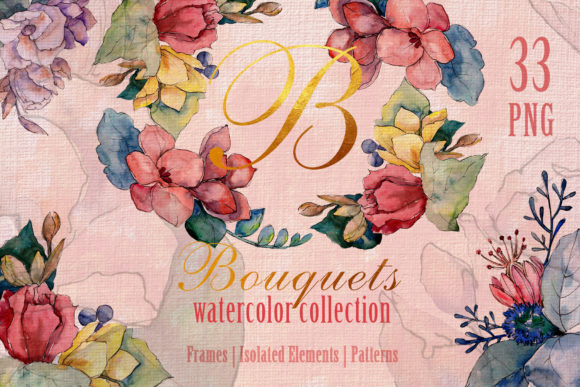
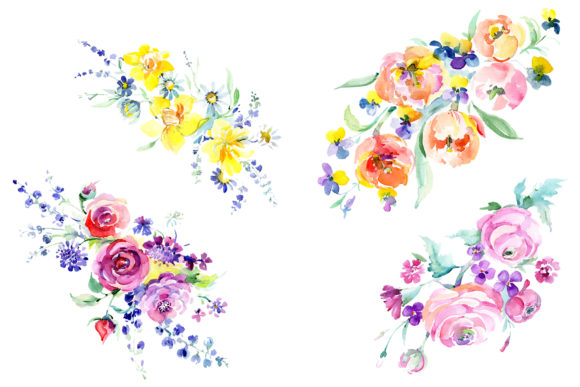
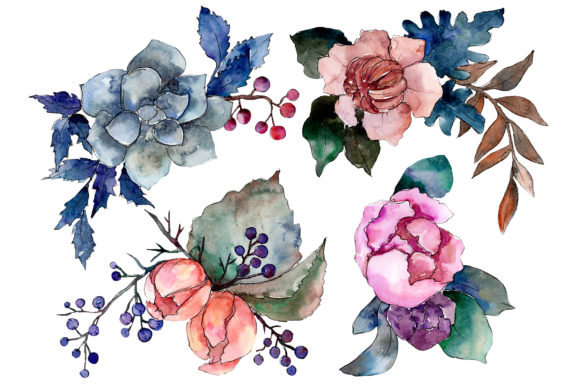
While wedding design trends keep shifting, one thing remains constant: the desire for personalization. Couples today want their stationery to feel uniquely theirs. Marketers and bloggers covering weddings also need visuals that stand out without looking stock. This is where a carefully curated set of Bridal bouquet watercolor png clipart of 4 files becomes more than a download — it becomes a creative toolkit. With frames, borders, patterns, and isolated elements all painted by hand, these graphics bridge the gap between traditional watercolor artistry and the flexibility of digital editing.
Why Watercolor Wedding Art Is Gaining Momentum
Watercolor has long been associated with fine art, but its presence in the wedding industry has grown steadily over the past decade. Couples and vendors increasingly favor textures and finishes that feel tangible, even when viewed on a screen. The soft, unpredictable edges of watercolor create an organic quality that standard flat design cannot deliver. Against the backdrop of minimalist and clean wedding aesthetics, a hand-painted bridal bouquet adds warmth and depth without feeling cluttered.
From an editorial standpoint, bloggers and Instagram creators are drawn to watercolor because it photographs beautifully and layers well with typography. The visual softness of a watercolor bouquet allows quotes or text overlays to remain readable without fighting the background. For wedding professionals producing content across blogs, save-the-date cards, and signage, having a cohesive visual language is essential. A set that includes frames, borders, and patterns — all derived from the same hand-painted bouquet — makes it easy to maintain consistency across multiple pieces without hiring a custom illustrator every time.
Moreover, the current creative climate rewards efficiency. Freelancers, small business owners, and even larger agencies are under pressure to produce high-quality content quickly. A ready-to-use Bridal Bouquet Watercolor pack allows them to bypass the time-consuming process of scanning, color-correcting, and isolating hand-painted elements. Instead, they receive already-digitized files that are 300 dpi, PNG with transparent backgrounds, and JPG patterns at 3500x3500 pixels. This level of resolution is more than adequate for both print and web use, covering everything from intimate greeting cards to large posters.
What Makes a High-Quality Watercolor Clipart Pack
Not all watercolor clipart is created equal. The difference between a generic floral graphic and a truly useful design asset lies in the details. In the case of this pack, every illustration is painted by hand, which preserves the subtle irregularities that make watercolor appealing. The files are organized into four distinct categories — frames, borders, patterns, and isolated elements — so users can mix and match without being locked into a single layout.
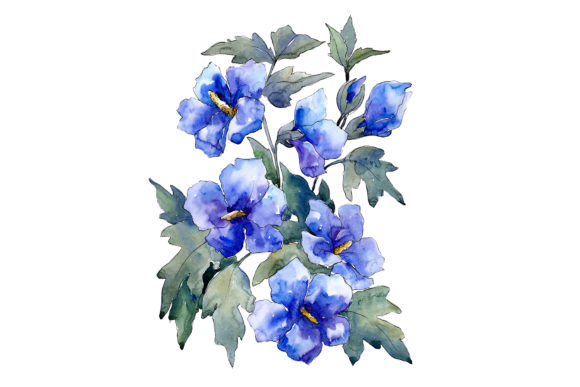
- Isolated elements — individual blooms, leaves, and bouquet clusters with no background, ready to place anywhere.
- Frames — ready-made compositional borders that save time during layout design.
- Borders — decorative edges that work well for certificates, menus, and place cards.
- Patterns — seamless or full-coverage textures suitable for background use on websites, posters, or wrapping paper.
Each category serves a distinct purpose, and together they cover the majority of needs for wedding-related projects. The PNG files come without a background, which means designers can drop them onto any color backdrop, gradient, or patterned surface without clipping or discoloration. The JPG patterns, meanwhile, are large enough to print at high quality or tile across a web layout. Because all elements share the same watercolor style, combining a frame from one file with an isolated flower from another feels intentional rather than patched together.
Another practical advantage is the full editability of size and color. The high resolution of 300 dpi means that scaling for print or web is safe without degrading detail. Color adjustments can be made directly in Photoshop, Affinity, Canva, or any image editor that supports transparency layers. This is ideal for creators who need to match a specific palette — whether it is a dusty rose, sage green, or navy theme — without starting from scratch.
From Invitations to Packaging: Real-World Applications
The versatility of a bridal bouquet watercolor set extends far beyond wedding invitations. While stationery is an obvious use case, the same floral aesthetics apply to digital and print projects across multiple industries. Event planners can use border designs for seating charts and welcome signage. Retailers selling bridal accessories or beauty products can incorporate the patterns into packaging inserts or social media templates. Even lifestyle bloggers covering bridal showers or wedding planning tips can use the frames to highlight quote cards or key takeaways in a post.
For those working in product design, the isolated elements offer a straightforward way to create custom merchandise. Think thank-you tags for favor boxes, floral labels for candle jars, or decorative accents on notebook covers. The transparent PNG format makes it possible to overlay a single watercolor rose onto a premade template in seconds. Because the files are already high-resolution, there is no need to worry about pixelation when printing at small scales or large formats.
Educational content and tutorials also benefit from these graphics. Art instructors or online course creators teaching watercolor techniques can use the files as reference material or as digital assets for students to practice layering and composition. Bloggers explaining color theory or floral arrangement styles can embed isolated bouquet images into their articles without dealing with messy backgrounds or inconsistent lighting.
Practical Examples for Different Creators
Let us consider three hypothetical users and how they might employ the same set differently:
- A wedding invitation designer uses the frame files as the primary border for an A7 invitation card. They then pull an isolated central bloom from the pack, resize it, and place it above the text block. The final design takes 15 minutes rather than three hours of painting and scanning.
- A social media manager for a floral shop uses the pattern JPGs as background textures for Instagram stories. They overlay a customer quote in white typography. The watercolor texture adds visual interest without competing with the message.
- A hobbyist making a bridal shower poster selects a border file, rotates it, and uses it as a decorative frame for a printed timeline of events. They then drop in an isolated bouquet element near the title. The result looks custom but required no advanced drawing skills.
These examples highlight a key point: the value of a good clipart pack lies not just in the beauty of the individual images, but in how easily they integrate into existing workflows. Whether someone uses Canva, Procreate, Adobe Suite, or even a simple text editor with image insertion, the transparent PNG format reduces technical friction.
How the Pack Fits Into Current Creative Workflows
One of the most significant shifts in creative work over the past few years is the move toward asset-based design. Instead of commissioning custom illustrations for every single project, designers and marketers build libraries of reusable, high-quality elements. This approach saves time, reduces costs, and allows for faster iteration. The Bridal Bouquet Watercolor pack fits perfectly into this model. It provides a cohesive set of floral assets that can be used repeatedly across various campaigns without looking repetitive — simply change the color, scale, or layout to create a fresh look each time.
Furthermore, the current market demands visuals that perform well on both screen and paper. A PNG file at 300 dpi with a transparent background is the industry standard for web and print. The JPG patterns at 3500x3500px are large enough for wallpaper, gift wrap, or large-format signage. This means a single purchase can serve a one-time project or a long-term content strategy. For small business owners who may not have a dedicated graphic designer on staff, having professional-grade watercolor assets reduces the learning curve and the cost of outsourcing.
The fact that the elements are painted by hand adds an authenticity that aligns with current consumer preferences for traditional craftsmanship. At the same time, the digital delivery ensures that the assets are easy to store, organize, and retrieve. This combination of handcrafted origin and digital convenience is rare, and it is exactly what many independent creators and small teams look for when sourcing design materials.
Working With Aquarelle Elements in Practice
The term "aquarelle" simply means watercolor in French, and it implies a translucent, layered painting style. When using these elements, it helps to think of them as translucent overlays rather than solid blocks. For best results, place them on a white or light-colored background to preserve the original washes. However, because the PNG files are isolated with transparent backgrounds, you can also place them on dark or colored surfaces and adjust the blending mode (such as "multiply" or "screen") to achieve a custom effect.
The patterns, being JPG files, are best used as full backgrounds. They can be resized in any design software. Because they are already 3500x3500 pixels, most users will not need to upscale them, which helps maintain sharpness. For print projects, the 300 dpi resolution ensures that details stay crisp even at close viewing distances, such as on a greeting card or menu.
One practical tip: use the isolated elements as accent pieces rather than covering entire surfaces. A single watercolor bloom placed at a corner of a quote card draws the eye without overwhelming the text. Similarly, using a border file on an envelope liner gives a subtle floral frame that feels elegant without requiring a full-print design. The restraint often yields more sophisticated results than maximalist layouts.
It is also worth noting that these files are fully editable in terms of color, contrast, and saturation. For creators who want to match a specific brand palette, a quick hue adjustment in any photo editing tool can transform a warm pink bouquet into a cool lavender or dusty blue composition. The transparent PNG format makes this process clean because there is no background to mask or remove before adjusting.
Why This Approach Matters for Wedding Professionals
Wedding vendors, planners, and stationery designers operate in a visually saturated market. Standing out without alienating budget-conscious clients is a constant challenge. Using high-quality watercolor assets allows small studios to deliver a custom look without the per-project cost of a dedicated painter. For photographers, the ability to create cohesive suites of thank-you cards, save-the-dates, and welcome signage using the same floral motifs reinforces brand consistency. Clients notice when every piece of their wedding stationery feels connected.
Additionally, the shift toward sustainable and small-batch wedding production has increased demand for digital files that can be printed locally or at home. A downloadable pack like this eliminates shipping on physical goods, reduces waste, and gives the client control over paper choice and printing method. This aligns with the growing preference for eco-friendly and customizable wedding solutions.
The educational component should not be overlooked either. Wedding planners who offer design services to clients can use these files to create mock-ups quickly, show multiple style options, and iterate without starting from scratch. The speed and flexibility can be a selling point in consultations, especially when budgets are limited.
Final Thoughts on Adding Watercolor to Your Creative Toolset
Whether you are designing a single wedding invitation, building a library of content for a bridal blog, or creating retail products with a floral theme, Bridal Bouquet Watercolor offers a balance of artistry and utility. The files are ready to use out of the box, but they also leave room for personal expression through color editing, scaling, and layout experimentation. The hand-painted quality ensures that your projects carry a genuine artisan feel, while the digital format keeps your workflow efficient.
As with any design asset, the real value emerges when you integrate it into your own process. Experiment with layering a pattern behind a frame. Use an isolated bloom as a divider between sections of a blog post. Combine border files from the pack with your own typography to create a signature style. The more you work with these elements, the more possibilities become apparent.
In a world where visual content is produced and consumed at high speed, having a versatile, high-quality resource like a watercolor bouquet pack is not just a convenience — it is a practical advantage. The soft petals, delicate washes, and organic edges remind us that digital design can still feel human. And that is something worth preserving, whether you are planning a wedding, running a business, or simply making something beautiful by hand.